
Mastering Nonprofit Management Training California
nonprofit management training California

Mastering Nonprofit Management Training California

Unlock unparalleled growth for your organization with cutting-edge strategies and leadership development tailored for California's vibrant nonprofit sector.

Find Your Training Now

Key Takeaways

  • ✓ California hosts over 100,000 active nonprofit organizations, making effective management crucial.
  • ✓ Specialized training addresses unique challenges like diverse populations, regulatory complexity, and competitive funding.
  • ✓ Leadership development in nonprofits directly correlates with increased program impact and sustainability.
  • ✓ Access to local expertise and networking opportunities is a significant benefit of California-specific training programs.

How It Works

1
Assess Your Needs

Identify your organization's specific challenges and skill gaps. This initial assessment guides your training selection for maximum impact.

2
Explore Programs

Research various nonprofit management training options in California, considering format, focus areas, and instructors' expertise. Look for accredited or reputable providers.

3
Engage & Learn

Actively participate in workshops, courses, or coaching. Apply new knowledge and tools directly to your organization's operations for immediate benefits.

4
Implement & Evaluate

Integrate learned strategies into your daily management practices. Continuously evaluate their effectiveness and adapt as needed for sustained organizational growth.

The Imperative of Specialized Nonprofit Management Training in California

Stunning view of the Golden Gate Bridge spanning the San Francisco Bay under a clear blue sky. Photo: Chait Goli / Pexels
California's nonprofit sector is a dynamic and complex ecosystem, unlike any other. From the tech-driven philanthropy of Silicon Valley to the vast agricultural communities of the Central Valley, and the diverse urban landscapes of Los Angeles and San Francisco, nonprofits here navigate a unique blend of opportunities and challenges. This distinct environment makes generic management training insufficient; specialized nonprofit management training California is not just beneficial, it's an imperative for survival and success. The sheer volume of nonprofits—over 100,000 registered organizations—creates a competitive landscape for funding, talent, and public attention. Moreover, California's progressive regulatory environment, coupled with its diverse demographic makeup, demands a nuanced approach to governance, fundraising, and community engagement. Effective leadership in this context requires more than just good intentions; it demands a sophisticated understanding of financial stewardship, strategic planning, ethical governance, and impactful program delivery. For example, fundraising in California often involves navigating a landscape rich with individual donors, corporate foundations, and government grants, each with distinct expectations and application processes. Understanding donor motivations across different cultural groups, for instance, is a skill honed through targeted training, not just experience. Similarly, compliance with state-specific labor laws, fundraising disclosure requirements, and evolving privacy regulations (like CCPA) adds layers of complexity that necessitate up-to-date knowledge. Furthermore, the social issues addressed by California nonprofits are often at the forefront of national conversations—housing insecurity, climate change, educational equity, and healthcare access. Leaders must be equipped to respond to these rapidly evolving challenges with agility and innovation. Specialized training programs offer insights into best practices in program evaluation, impact measurement, and advocacy, enabling organizations to demonstrate their value and secure ongoing support. They also foster a sense of community among nonprofit professionals, providing invaluable networking opportunities to share insights, collaborate on initiatives, and collectively address systemic issues. Without this tailored expertise, even the most well-intentioned organizations risk inefficiency, burnout, and ultimately, a reduced capacity to fulfill their vital missions. Investing in quality nonprofit management training California is an investment in the future resilience and impact of the state's entire social sector.

Core Competencies Developed Through California Nonprofit Leadership Programs
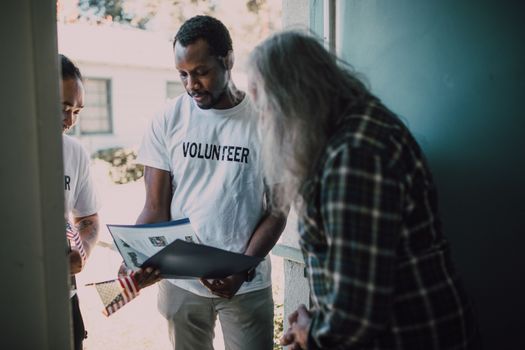
Volunteers visit a home to provide community support and discuss documents. Photo: RDNE Stock project / Pexels
High-quality nonprofit management training in California focuses on developing a robust set of core competencies essential for leading and growing impactful organizations. These programs are meticulously designed to address the specific demands and opportunities within the state, ensuring that participants gain immediately applicable skills. One fundamental area is strategic planning and execution. In a fast-paced environment like California, nonprofits need to be agile, able to pivot quickly while staying true to their mission. Training often covers frameworks for developing clear mission statements, setting measurable goals, conducting environmental scans to identify trends and threats, and creating actionable plans that align resources with objectives. This isn't just about writing a plan; it's about fostering a strategic mindset throughout the organization. Another critical competency is financial management and sustainability. Nonprofits operate under intense scrutiny regarding their financial stewardship. Training programs delve into budgeting, financial reporting, understanding IRS Form 990, developing diversified revenue streams (beyond traditional grants), and effective cash flow management. Special attention is often given to California-specific funding opportunities and compliance requirements, which can differ significantly from other states. Leaders learn how to read financial statements, make informed decisions, and communicate financial health transparently to boards and donors. This includes understanding the nuances of endowment management, restricted vs. unrestricted funds, and the importance of building a strong financial reserve. Fundraising and resource development are, perhaps, the lifeblood of any nonprofit. California programs offer advanced techniques in grant writing, individual donor cultivation, major gift solicitation, corporate partnerships, and digital fundraising strategies. Given the state's diverse population, emphasis is also placed on culturally competent fundraising approaches and engaging a broad spectrum of donors. Participants learn how to craft compelling cases for support, build lasting donor relationships, and leverage technology to maximize fundraising efforts. This extends to understanding the legal and ethical considerations of fundraising within California's regulatory framework. Furthermore, governance and board development are central to effective nonprofit operation. Training covers the roles and responsibilities of board members, best practices for board recruitment, orientation, and engagement, and strategies for fostering a healthy board-staff relationship. This includes understanding fiduciary duties, legal obligations, and the importance of diversity, equity, and inclusion on the board. Strong governance is the bedrock of organizational integrity and long-term success. Finally, human resources management, including volunteer engagement, staff development, and fostering an inclusive workplace culture, is a recurring theme, recognizing that an organization's people are its greatest asset. These comprehensive programs equip leaders not just with knowledge, but with the practical tools and confidence to excel in California's challenging yet rewarding nonprofit landscape.

Choosing the Right Nonprofit Management Training Program in California

Group of volunteers organizing and distributing aid packages and bottled water outdoors. Photo: RDNE Stock project / Pexels
Selecting the appropriate nonprofit management training California program is a pivotal decision that can significantly impact your organization's trajectory. With numerous options available, it's essential to approach this choice strategically. The first step involves clearly defining your specific learning objectives and those of your team. Are you looking to improve fundraising, enhance board governance, master financial reporting, or develop advanced leadership skills? Different programs specialize in different areas, so aligning your needs with the program's focus is crucial. For instance, a small, emerging nonprofit might prioritize foundational financial management and grant writing, while a larger, established organization might seek advanced strategic planning or executive leadership development. Consider the format and delivery method. California offers a wide array of options, including intensive multi-day workshops, semester-long university certificate programs, online courses, executive coaching, and peer learning networks. Online programs offer flexibility, which can be ideal for busy professionals, but may lack the direct networking opportunities of in-person events. In-person workshops, particularly those hosted by local organizations, provide invaluable opportunities for connecting with peers and experts who understand the California context. University-affiliated programs, such as those offered by USC, UCLA, or Stanford, often bring academic rigor and a broad theoretical framework, while independent consulting firms or community foundations might offer more practical, hands-on training tailored to immediate application. Instructor expertise and curriculum relevance are paramount. Research the backgrounds of the trainers and facilitators. Do they have extensive experience in the California nonprofit sector? Are they current practitioners, thought leaders, or academics with a deep understanding of the unique regulatory, demographic, and philanthropic landscape of the state? A curriculum that incorporates case studies specific to California nonprofits, discusses state-specific funding sources, or addresses local policy issues will be far more valuable than a generic national program. Look for programs that emphasize practical application, offering tools, templates, and actionable strategies that can be implemented immediately within your organization. Finally, assess the program's reputation, cost, and potential for networking. Read testimonials, inquire about alumni networks, and consider the long-term value. While cost is always a factor, view it as an investment in your organization's future capacity. Many programs offer scholarships or sliding scale fees for smaller nonprofits. The opportunity to connect with other nonprofit leaders, share challenges, and build a supportive professional network can be one of the most enduring benefits of any training program. By carefully evaluating these factors, you can ensure you choose a nonprofit management training California program that truly empowers your organization to achieve its mission and amplify its impact.

Essential Tips for Maximizing Your Nonprofit Training Investment in California

Close-up of senior hands with pen writing in a spiral notebook. Personal notes concept. Photo: RDNE Stock project / Pexels
Investing in nonprofit management training is a significant step, and maximizing that investment requires a proactive approach. Here are essential tips to ensure you get the most out of your California-based training: * **Define Clear Objectives Beforehand:** Don't just attend a training because it sounds good. Before enrolling, clearly articulate what specific skills you or your team aim to gain and how those skills will address current organizational challenges. This clarity will help you choose the right program and focus your learning. * **Engage Actively and Ask Questions:** Passive learning yields minimal results. Participate in discussions, ask clarifying questions, and share your organization's specific dilemmas. The instructors and your peers often offer invaluable perspectives and solutions tailored to real-world scenarios. * **Network Strategically:** California's nonprofit sector is vast. Use training programs as an opportunity to connect with other leaders, funders, and experts. Exchange contact information, follow up, and consider forming small peer-learning groups. These connections can lead to future collaborations, mentorship, and support. * **Take Detailed, Action-Oriented Notes:** Don't just copy slides. Focus on jotting down actionable insights, specific strategies, and resources mentioned. Think about how each piece of information can be directly applied to your organization's context. * **Create an Implementation Plan Immediately:** As soon as the training concludes, block out time to consolidate your notes and develop a concrete action plan. Identify 2-3 key takeaways you can implement within the next week or month. Assign responsibilities if it's a team effort. * **Share Knowledge Internally:** If you're the only one attending, create a summary or lead a brief workshop for your team to disseminate the learned information. This not only reinforces your own learning but also builds organizational capacity. * **Seek Feedback and Measure Impact:** After implementing new strategies, solicit feedback from your team, board, and even beneficiaries. Track metrics to see if the changes are yielding the desired results. This iterative process ensures continuous improvement. * **Stay Current and Continuously Learn:** The nonprofit landscape is always evolving. View training as an ongoing process, not a one-time event. Subscribe to industry newsletters, attend webinars, and engage in professional development year-round to stay ahead. By following these tips, you transform a training program from a mere event into a powerful catalyst for sustained organizational growth and impact within California's unique nonprofit environment.

Comparison

FeatureUniversity Certificate ProgramsSpecialized Workshops (e.g., Grant Writing)Online Courses/WebinarsNonprofit Consulting/Coaching
Depth of ContentComprehensive, Theoretical & PracticalHighly Focused, PracticalVariable, often foundationalHighly Customized, Strategic
Time CommitmentSeveral months to a year1-3 daysFlexible, self-pacedOngoing, project-based
Networking OpportunitiesStrong, peer & academicGood, peer & expertLimited, mostly virtualDirect with consultant
CostHighModerateLow to ModerateHigh (per hour/project)
CustomizationLimitedModerate (by topic)LowHigh
Accreditation/Recognition✗ (often CEUs)✗ (varies)
Ideal ForCareer changers, senior leadersSkill gaps, quick refreshBudget-conscious, specific topicsSpecific challenges, strategic guidance

What Readers Say

"The nonprofit management training in California I attended transformed our fundraising approach. We implemented their digital strategy, resulting in a 25% increase in online donations in just six months. The insights into California's donor landscape were invaluable."

Maria Rodriguez · Los Angeles, CA

"As a new executive director, I felt overwhelmed. This training provided a clear roadmap for governance and strategic planning, specifically addressing California's unique regulatory environment. I now feel much more confident leading my team."

David Chen · San Francisco, CA

"Our small organization struggled with board engagement. After sending two board members and myself to a California-focused program, we've completely revitalized our board meetings, leading to more active participation and better decision-making. A tangible positive outcome!"

Sarah Goldberg · Sacramento, CA

"The program was excellent overall, especially the modules on financial sustainability. While some content was familiar, the California-specific examples and networking with local peers made it truly worthwhile. I just wished there was more time for individual coaching."

Mark Johnson · San Diego, CA

"Coming from the corporate sector, I needed to understand the nuances of nonprofit operations. This training provided a fantastic foundational understanding of everything from grant writing to volunteer management, all within the California context. Highly recommend for sector transitions."

Emily White · Oakland, CA

Frequently Asked Questions

What types of nonprofit management training are available in California?

California offers a diverse range of training options including university certificate programs, intensive workshops on specific topics like grant writing or board governance, online courses, and executive coaching. These programs cater to various experience levels, from emerging leaders to seasoned executive directors, and can be found through universities, community foundations, and specialized consulting firms.

Is nonprofit management training truly necessary for experienced leaders?

Yes, even experienced leaders benefit significantly. The nonprofit landscape in California is constantly evolving with new regulations, funding trends, and technological advancements. Ongoing training ensures leaders stay current with best practices, refine existing skills, and gain fresh perspectives to adapt to new challenges and maximize their organization's impact.

How can I find reputable nonprofit training providers in California?

Start by checking with major California universities (e.g., USC, UCLA, Stanford, USF), local community foundations, and regional associations of nonprofits. Look for programs with strong testimonials, experienced instructors who are practitioners in the field, and curricula that specifically address California's unique environment and regulatory framework.

What is the typical cost of nonprofit management training in California?

Costs vary widely depending on the program's length, depth, and provider. A single-day workshop might range from $200-$800, while a comprehensive university certificate program could be $3,000-$10,000 or more. Many organizations offer scholarships or sliding scale fees for smaller nonprofits, so it's always worth inquiring about financial assistance.

How does California-specific training differ from national programs?

California-specific training integrates the unique regulatory environment, diverse demographics, philanthropic trends, and socio-economic challenges prevalent in the state. This means addressing California's labor laws, state-specific grant opportunities, cultural competency for diverse communities, and local policy advocacy, making the content far more relevant and actionable for organizations operating within the Golden State.

Who should consider enrolling in nonprofit management training California?

Anyone involved in the leadership, governance, or operations of a nonprofit organization in California can benefit. This includes executive directors, program managers, development staff, board members, aspiring leaders, and even volunteers in key strategic roles. The training is designed to enhance skills across all levels of nonprofit management.

Are there free or low-cost nonprofit training resources available in CA?

Yes, many community foundations, local government agencies, and some larger nonprofits offer free or low-cost workshops, webinars, and resources. Universities sometimes provide free introductory sessions or public lectures. Online platforms also offer a wealth of free educational content, though often less tailored to the California context.

What are the future trends in nonprofit management training in California?

Future trends include a stronger emphasis on digital transformation, data analytics for impact measurement, advanced DEI (Diversity, Equity, and Inclusion) strategies, climate change adaptation, and innovative social enterprise models. Training will increasingly focus on resilience, advocacy, and collaborative leadership to address complex societal challenges effectively.

Elevate your nonprofit's impact and navigate California's unique landscape with confidence. Explore the premier nonprofit management training California offers today and equip yourself and your team with the skills to lead with distinction and drive meaningful change.

Topics: nonprofit management training Californianonprofit leadership development CAfundraising strategies Californiagovernance best practices nonprofitnonprofit capacity building California
Leo List
Brampton weed
Adultwork