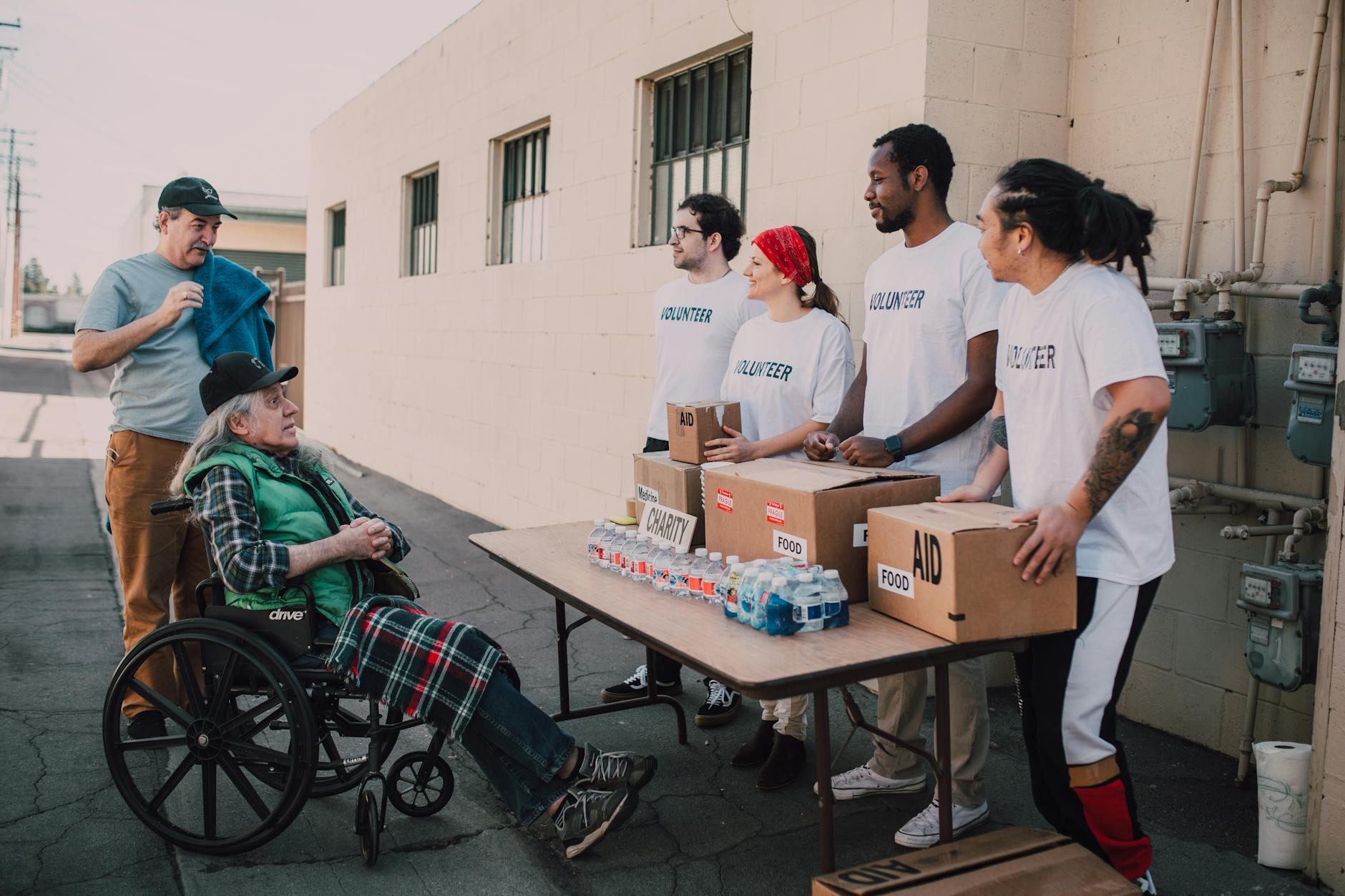
Mastering California Nonprofit Events for Impact
California nonprofit events

Mastering California Nonprofit Events for Impact

Unlock the full potential of your nonprofit events in California to drive mission, engagement, and sustainable growth.

Start Planning Your Event

Key Takeaways

  • ✓ California hosts over 100,000 active nonprofits.
  • ✓ Fundraising events are crucial for 75% of CA nonprofits.
  • ✓ The average attendance for a successful nonprofit event in CA is 150-300 people.
  • ✓ Digital engagement is vital for extending event reach beyond physical attendees.

How It Works

1
Define Your Event Goals

Clearly articulate what you aim to achieve, whether it's fundraising, awareness, or volunteer recruitment. Specific goals guide all subsequent planning decisions.

2
Strategic Planning & Budgeting

Develop a detailed plan including venue selection, vendor management, marketing strategy, and a realistic budget. This phase lays the foundation for success.

3
Engage & Execute

Actively promote your event, recruit and train volunteers, and meticulously manage logistics on the day. Effective execution ensures a smooth and impactful experience for attendees.

4
Post-Event Follow-Up & Analysis

Thank attendees and sponsors, provide impact reports, and analyze event data to refine future strategies. This crucial step strengthens relationships and informs continuous improvement.

The Landscape of California Nonprofit Events: Opportunities and Challenges

Aerial view of Sacramento skyline during sunset with the Tower Bridge and cityscape in focus. Photo: Stephen Leonardi / Pexels
California's vibrant and diverse landscape presents both unique opportunities and significant challenges for nonprofit organizations seeking to host impactful events. From the bustling urban centers of Los Angeles and San Francisco to the scenic vineyards of Napa Valley and the serene coastal communities, the state offers an unparalleled variety of venues and potential audiences. However, this diversity also means navigating a complex regulatory environment, intense competition for donor dollars, and varying local expectations. Understanding this intricate ecosystem is the first step toward planning successful California nonprofit events. One of the primary opportunities lies in California's strong philanthropic culture. The state is home to a significant number of high-net-worth individuals and corporations with robust corporate social responsibility initiatives. Tapping into these resources requires a sophisticated approach to event planning, focusing on clear value propositions and compelling storytelling. Nonprofits must articulate not just *what* they do, but *why* it matters, and how an event directly contributes to their mission. This is especially true for fundraising events, where donors are looking for transparency and demonstrable impact. Building strong relationships with potential sponsors and major donors well in advance of an event is paramount. This often involves personal outreach, tailored proposals, and demonstrating a track record of effective program delivery. The sheer scale of California means that even niche causes can find a dedicated audience, provided they can effectively reach them. Challenges include the high cost of doing business in California, which can significantly impact event budgets. Venue rentals, catering, staffing, and permits can quickly escalate expenses, requiring nonprofits to be exceptionally strategic with their financial planning. Additionally, the regulatory landscape for events, particularly those involving alcohol or large gatherings, can be complex and vary by county and city. Nonprofits must be diligent in securing all necessary permits and adhering to local ordinances to avoid costly penalties or last-minute disruptions. The competitive nature of the nonprofit sector in California also means that organizations are constantly vying for attention and resources. Standing out requires creativity, innovation, and a strong understanding of your target audience's preferences and interests. Generic events are unlikely to capture the imagination of potential supporters; unique experiences that align with the nonprofit's mission are far more effective. Leveraging the state's diverse communities can also be an advantage, tailoring events to specific cultural groups or geographic areas to foster deeper engagement. For example, an environmental nonprofit might host a beach cleanup in San Diego, while a youth development organization could organize a mentorship gala in Silicon Valley, each tapping into local pride and community spirit. Ultimately, success hinges on meticulous planning, creative execution, and a deep understanding of the California context. Further insights into effective strategies can be found by exploring nonprofit best practices.

Crafting Irresistible California Nonprofit Events: From Concept to Execution

Colorful pencils and ruler atop architectural blueprints on a workspace. Photo: Thirdman / Pexels
Creating an event that truly resonates with your audience and achieves your organizational goals requires a meticulous approach from concept to post-event follow-up. It's not enough to simply host an event; you must craft an experience that educates, inspires, and mobilizes support for your cause. The journey begins with defining a clear purpose. Is your event primarily for fundraising, raising awareness, volunteer recruitment, or a combination? A well-defined purpose will guide every subsequent decision, from theme and venue to marketing and attendee experience. For California nonprofit events, consider themes that leverage the state's unique appeal, such as environmental conservation, technological innovation for social good, or cultural diversity. Once the purpose is established, the next crucial step is strategic planning. This involves assembling a dedicated event committee, setting realistic financial goals (both revenue and expense), and developing a comprehensive timeline. Venue selection is paramount and should align with your event's theme, budget, and target audience. California offers an array of options, from elegant ballrooms and outdoor vineyards to community centers and unique historical sites. Consider accessibility, capacity, and the overall ambiance. Securing key vendors – caterers, AV specialists, decorators, and entertainment – well in advance is essential, especially in high-demand areas. Always obtain detailed contracts and clarify all terms to avoid misunderstandings. Marketing and promotion are critical to ensuring strong attendance. Develop a multi-channel marketing strategy that includes email campaigns, social media outreach, local media partnerships, and community engagement. Craft compelling messages that highlight the event's unique value proposition and the impact attendees will have on your cause. Leverage stunning visuals, testimonials, and early bird incentives to generate excitement. Don't underestimate the power of peer-to-peer fundraising, encouraging your supporters to become advocates and invite their networks. On the day of the event, seamless execution is key. This involves meticulous logistical management, a well-briefed team of staff and volunteers, and contingency plans for unexpected issues. Create a welcoming and engaging atmosphere, ensuring that every attendee feels valued and connected to your mission. Interactive elements, inspiring speakers, and clear calls to action can elevate the experience and reinforce your message. Post-event, prompt follow-up is vital for donor retention and relationship building. Send personalized thank-you notes, share event highlights and impact reports, and solicit feedback to inform future events. This comprehensive approach ensures that your California nonprofit events are not just successful, but truly transformative for your organization and the community you serve.

Maximizing Impact: Fundraising, Engagement, and Storytelling at CA Nonprofit Events

A diverse team gathered for a meeting in a modern office with creative decor, discussing plans. Photo: RDNE Stock project / Pexels
The true measure of a successful California nonprofit event extends beyond attendance numbers or gross revenue; it lies in its ability to maximize impact – driving sustainable fundraising, fostering deep community engagement, and telling compelling stories that resonate long after the event concludes. Fundraising is often a primary objective, and effective strategies go beyond simple ticket sales. Incorporate diverse revenue streams such as silent and live auctions, raffles, sponsorship packages, and dedicated 'fund-a-need' segments that allow donors to directly contribute to specific program areas. For auctions, curate unique experiences or high-value items that appeal to your target demographic. Ensure your auctioneer or emcee is engaging and clearly articulates the impact of every bid. Transparency about how funds will be used builds trust and encourages generosity. Leveraging technology, such as mobile bidding apps, can streamline the process and enhance the donor experience. Engagement is about creating meaningful connections between attendees and your mission. This means moving beyond passive presentations to interactive experiences. Consider incorporating testimonials from beneficiaries, live demonstrations of your work, or opportunities for attendees to participate directly in a small, symbolic activity related to your cause. Photo booths with branded backdrops, interactive displays, and networking opportunities can all enhance the sense of community. Train your staff and volunteers to be ambassadors, ready to share personal stories and answer questions about your organization's work. A highly engaged attendee is more likely to become a long-term supporter, volunteer, or advocate. Personalized interactions, even at large events, can make a significant difference. Remember, the goal is to convert attendees into active participants in your mission, fostering a sense of shared purpose and collective impact. Strong engagement often leads to increased participation in future nonprofit initiatives. Storytelling is the heart of effective nonprofit events. It's how you convey your mission, demonstrate impact, and inspire action. Instead of focusing solely on statistics, weave narratives that highlight individual lives touched by your work. Use multimedia elements – short videos, powerful photographs, and compelling speeches – to bring these stories to life. Ensure your speakers are authentic, passionate, and concise. The most impactful stories evoke emotion, illustrate a clear problem, present your organization as the solution, and show how attendees can be part of that solution. Practice these stories with your team to ensure they are delivered powerfully and consistently across all event touchpoints. After the event, continue to share these stories through your website, social media, and newsletters, reinforcing the impact of the funds raised and the connections made. By prioritizing fundraising, engagement, and storytelling, California nonprofit events can transcend mere gatherings to become powerful catalysts for positive change, building a loyal community of supporters dedicated to your cause.

Common Pitfalls and Best Practices for California Nonprofit Events

Multicultural group engaged in teamwork with laptops in a modern office. Photo: Kindel Media / Pexels
Even the most well-intentioned California nonprofit events can stumble if common pitfalls are not anticipated and avoided. Understanding these potential traps and implementing best practices can significantly increase your chances of success and ensure your efforts yield maximum impact. One of the most frequent pitfalls is inadequate budgeting. Underestimating costs, failing to account for unexpected expenses, or not accurately projecting revenue can lead to financial strain and compromise the event's quality. Best practice dictates creating a detailed budget with a contingency fund (typically 10-15% of total expenses) and tracking all income and expenditures meticulously throughout the planning and execution phases. Another common mistake is neglecting comprehensive marketing and outreach. Assuming people will just show up, or relying solely on a single marketing channel, often results in low attendance. Best practice involves developing a multi-faceted marketing plan that starts early and utilizes a mix of digital (email, social media, paid ads), traditional (print, local radio/TV), and grassroots (community partnerships, word-of-mouth) strategies. Tailor your messaging to different segments of your target audience and emphasize the unique value proposition of your event. Lack of volunteer management is also a significant pitfall. Volunteers are the backbone of many nonprofit events, but without proper recruitment, training, and supervision, they can become overwhelmed or ineffective. Best practice includes creating clear job descriptions, providing thorough training sessions, assigning a dedicated volunteer coordinator, and offering appreciation both before and after the event. Empowering volunteers ensures they feel valued and contribute positively to the attendee experience. Finally, failing to follow up post-event is a missed opportunity for donor retention and relationship building. Many nonprofits make the mistake of ending communication once the event is over. Best practice demands a prompt and personalized thank-you process, including impact reports that show how attendees' contributions made a difference. Gather feedback through surveys and use it to improve future events. This continuous cycle of planning, execution, and evaluation is crucial for long-term success. Key Best Practices for California Nonprofit Events: * **Start Early:** Give yourself ample time for planning, fundraising, and marketing. * **Define Clear KPIs:** Establish measurable key performance indicators for attendance, fundraising, and engagement. * **Build Strong Relationships:** Cultivate sponsors, vendors, and community partners well in advance. * **Leverage Technology:** Utilize event management software, online ticketing, and mobile bidding. * **Prioritize Attendee Experience:** Ensure every touchpoint is positive and memorable. * **Measure and Learn:** Analyze data from each event to inform future strategies. * **Compliance is Key:** Be meticulous about permits, licenses, and legal requirements specific to California. By proactively addressing these pitfalls and adhering to best practices, your organization can host California nonprofit events that are not only successful but also sustainable and impactful for years to come.

Comparison

FeatureAnnual GalaCommunity FestivalVirtual FundraiserPeer-to-Peer Campaign
Primary GoalMajor FundraisingAwareness/EngagementBroad Reach/AccessibilityGrassroots Fundraising
Cost per AttendeeHighMediumLowVery Low
Logistical ComplexityVery HighHighMediumLow
Sponsor AppealVery HighMediumHighMedium
Volunteer NeedsHighVery HighMediumLow
Geographic ReachLocal/RegionalLocalGlobalGlobal
Direct Interaction
Typical AudienceMajor Donors, CorporateFamilies, General PublicDiverse, Tech-SavvyPersonal Networks

What Readers Say

"Our annual gala for youth education in San Francisco was transformed after applying these strategies. We exceeded our fundraising goal by 30% and saw a significant increase in new donor engagement."

Sarah Chen · San Francisco, CA

"The advice on storytelling and volunteer management was invaluable. Our community health fair in LA ran smoother than ever, and attendees truly connected with our mission on a deeper level."

Mark Johnson · Los Angeles, CA

"We implemented the multi-channel marketing approach for our environmental conservation event. The result was a 50% increase in RSVPs and a record number of new monthly donors signed up."

Emily Rodriguez · San Diego, CA

"While some of the tips required more resources than our small nonprofit initially had, the overall framework for planning and execution was incredibly helpful. We're steadily improving our event outcomes."

David Lee · Sacramento, CA

"As a new event coordinator, I found the breakdown of pitfalls and best practices for California nonprofit events to be a lifesaver. It helped us avoid costly mistakes and build a more robust event strategy."

Jessica Kim · Oakland, CA

Frequently Asked Questions

What are the most effective types of California nonprofit events for fundraising?

Effective fundraising events in California often include galas, silent/live auctions, peer-to-peer campaigns, and themed races/walks. The best choice depends on your target audience, mission, and budget, but all require clear asks and compelling storytelling to maximize contributions. Hybrid events, combining in-person and virtual elements, are also gaining traction for broader reach.

How can small nonprofits in California compete with larger organizations for event attendees and sponsors?

Small nonprofits can compete by focusing on unique, niche events that align deeply with their mission and target a specific, passionate audience. Emphasize authentic storytelling, leverage community partnerships, and offer unique value propositions to sponsors that go beyond simple logo placement. Personalized outreach and a strong volunteer base are also key differentiators.

What permits and regulations are typically required for hosting a nonprofit event in California?

Permits vary significantly by city and county in California. Common requirements include special event permits, health permits (for food service), alcohol licenses (if serving), fire permits (for tents or large gatherings), and noise permits. It's crucial to contact your local city and county offices early in the planning process to understand all applicable regulations and timelines.

What's a realistic budget for a mid-sized California nonprofit event?

A realistic budget for a mid-sized California nonprofit event (e.g., 100-200 attendees) can range from $15,000 to $50,000+, depending heavily on venue, catering, entertainment, and marketing spend. Key cost drivers include venue rental, food and beverage, audiovisual equipment, staffing, and marketing materials. Always include a 10-15% contingency fund.

How do virtual components enhance California nonprofit events?

Virtual components significantly expand the reach of California nonprofit events beyond geographic limitations, allowing participation from across the state or even globally. They can reduce overhead costs, offer greater accessibility for diverse audiences, and provide flexible engagement options. Hybrid models, combining physical and virtual elements, are particularly effective for maximizing both engagement and fundraising potential.

Who should prioritize hosting California nonprofit events?

Any nonprofit organization in California aiming to raise funds, increase public awareness, recruit volunteers, build community relationships, or engage stakeholders should prioritize hosting events. Events serve as powerful platforms for mission communication, direct interaction with supporters, and cultivating a strong brand presence within the community.

What are the biggest security concerns for large-scale California nonprofit events?

For large-scale California nonprofit events, security concerns include crowd control, emergency preparedness (earthquakes, fires), cybersecurity for online registrations/donations, and personal safety of attendees and VIPs. Comprehensive risk assessment, professional security personnel, clear emergency exits, and communication plans are essential to mitigate these risks.

What future trends should California nonprofits consider for their events?

Future trends for California nonprofit events include increased adoption of sustainable practices (eco-friendly venues, waste reduction), greater personalization of attendee experiences, leveraging AI for data analysis and donor engagement, and continued innovation in hybrid event models. Emphasizing diversity, equity, and inclusion in all event aspects will also become increasingly critical.

Ready to elevate your California nonprofit events? Implement these proven strategies to create unforgettable experiences that drive impact, engage your community, and secure the vital resources needed to fulfill your mission. Start planning your next successful event today.

Topics: California nonprofit eventsnonprofit fundraising CAevent planning for nonprofits Californianonprofit engagement strategiescharity events California
Leo List
Brampton weed
Adultwork