Top Environmental Nonprofits California: Your Guide to Impact
June 13, 20269 min read1,866 words
Photo: Mick Haupt / Pexels
Top Environmental Nonprofits California: Your Guide to Impact
Explore California's powerful environmental organizations and find out how you can contribute to a greener, more sustainable future for the Golden State.
✓ California hosts over 2,000 environmental nonprofits.
✓ These organizations address issues from ocean protection to wildfire prevention.
✓ Many focus on advocacy, education, and direct land/wildlife conservation.
✓ Volunteer hours and donations are crucial for their continued success.
How It Works
1
Identify Your Passion
Consider what environmental issues resonate most with you, whether it's ocean health, forest preservation, or urban greening. This will help narrow down your search.
2
Research Organizations
Look for environmental nonprofits in California that align with your interests and values. Examine their mission, programs, and financial transparency.
3
Engage & Support
Decide how you want to contribute, whether through volunteering your time, making a financial donation, or participating in their advocacy efforts. Every action helps.
4
Track Your Impact
Stay informed about the organization's progress and the tangible results of their work. Many nonprofits provide regular updates on their achievements.
The Vital Role of California Conservation Groups
Photo: Shad Meeg / Pexels
California, with its unparalleled biodiversity, iconic coastlines, majestic forests, and sprawling deserts, faces a unique set of environmental challenges. From the impacts of climate change like extreme droughts and devastating wildfires to urban sprawl and pollution, the need for dedicated environmental stewardship has never been more critical. This is where environmental nonprofits step in, acting as powerful catalysts for change and protection across the state. These organizations are not just advocates; they are hands-on protectors, educators, and innovators, working tirelessly to preserve California's natural heritage and build a sustainable future. They play a multifaceted role, engaging in everything from direct land acquisition and habitat restoration to policy advocacy, community education, and scientific research. Without their concerted efforts, many of California's most precious ecosystems and species would be at far greater risk. Their work often fills gaps left by government agencies, providing specialized expertise and the agility to respond quickly to emerging threats. They foster a sense of community responsibility, mobilizing volunteers and inspiring public engagement in environmental causes. Understanding their collective impact is the first step in appreciating their indispensable contribution to the Golden State's ecological health and resilience. Their influence extends beyond conservation, touching upon public health, economic stability, and the overall quality of life for all Californians. These groups are truly the guardians of California's natural splendor.
Key Focus Areas of Environmental Nonprofits in CA
Environmental nonprofits in California tackle an incredibly diverse range of issues, reflecting the state's vast and varied ecological landscape. One major area of focus is *land and habitat preservation*. Many organizations work to acquire and protect critical natural spaces, ensuring that vital ecosystems like redwood forests, chaparral, and wetlands are safeguarded from development. This often involves intricate negotiations, fundraising, and long-term land management plans. Another significant priority is *water conservation and quality*. With California's history of droughts and its extensive agricultural sector, groups are dedicated to protecting rivers, lakes, and groundwater resources, advocating for sustainable water use, and combating pollution. *Ocean and coastal protection* is also paramount, given California's extensive coastline. Nonprofits here focus on marine wildlife, plastic pollution, sustainable fishing practices, and protecting sensitive coastal habitats like kelp forests and tide pools. *Climate change mitigation and adaptation* form a cross-cutting theme, with organizations working on renewable energy advocacy, carbon sequestration projects, wildfire resilience, and promoting sustainable urban planning. Furthermore, *environmental education and justice* are crucial components, ensuring that all communities, especially those disproportionately affected by pollution, have access to clean environments and the knowledge to protect them. These diverse efforts highlight the comprehensive approach taken by California's environmental organizations to address the state's complex ecological challenges.
How to Choose the Right Nonprofit for Your Support
With so many impactful environmental nonprofits in California, deciding where to direct your support can feel overwhelming. The key is to find an organization whose mission and methods resonate deeply with your personal values and environmental priorities. Start by clarifying what environmental issues matter most to you. Are you passionate about protecting a specific species, conserving a particular type of habitat, advocating for policy change, or engaging in local community greening efforts? Once you have a focus, research organizations that specialize in those areas. Look for transparency in their operations: reputable nonprofits will openly share their financial reports, program outcomes, and impact metrics. Websites like Charity Navigator or GuideStar can provide valuable insights into an organization's financial health, accountability, and effectiveness. Read their mission statement and programmatic descriptions to ensure they align with your goals. Consider their approach: do they focus on direct action, policy change, education, or a combination? Also, investigate their local presence and community engagement. Some organizations have a statewide reach, while others are deeply embedded in specific regions, offering more localized impact opportunities. Finally, don't hesitate to reach out to organizations directly with questions. A well-run nonprofit will be eager to share details about their work and how your support can make a tangible difference. Choosing wisely ensures your contributions have the greatest possible positive impact on California's environment.
Maximizing Your Impact: Tips for Engaging with Environmental Groups
Engaging with environmental nonprofits in California can be incredibly rewarding, and there are multiple ways to maximize your impact beyond just financial donations. Here are some tips:
* **Volunteer Your Time:** Many organizations rely heavily on volunteers for fieldwork, administrative tasks, event support, and educational programs. Your time is a valuable resource. Check their websites for volunteer opportunities that match your skills and availability.
* **Become a Member:** Membership often provides regular updates, exclusive events, and a sense of belonging to a community dedicated to a shared cause. Your membership fees contribute directly to their operational costs.
* **Participate in Advocacy:** Sign petitions, write to your representatives, or attend public meetings when environmental policies are being debated. Nonprofits often provide easy ways to engage in these crucial advocacy efforts.
* **Spread the Word:** Share information about the environmental issues you care about and the organizations working to address them with your friends, family, and social networks. Awareness is a powerful tool.
* **Attend Events:** Fundraisers, clean-ups, workshops, and educational seminars are excellent ways to learn more, meet like-minded individuals, and directly support the organization's mission.
* **Consider In-Kind Donations:** If you have specific skills (e.g., graphic design, legal advice, photography) or resources (e.g., used equipment, office supplies), inquire if an organization could benefit from an in-kind donation.
* **Support Sustainably:** Make conscious choices in your daily life that align with environmental values, reinforcing the work these nonprofits are doing. Every action, big or small, contributes to the collective effort.
Comparison
Feature
Direct Action Focused
Policy Advocacy Focused
Education & Outreach Focused
Primary Strategy
Land preservation, restoration, cleanups
Lobbying, legal action, legislative change
Workshops, school programs, public awareness
Typical Activities
Tree planting, habitat restoration, beach cleanups
Drafting bills, testifying, coalition building
Curriculum development, community events, digital campaigns
Time Commitment (Volunteer)
High (fieldwork, events)
Medium (research, letter writing)
Medium (event support, teaching)
Donation Impact
Tangible projects, land acquisition
Influencing systemic change
Empowering future generations
Best For Donors Who Want
Visible, hands-on results
Broad, systemic change
Long-term cultural shift
Examples
Land Trust, River Keeper
Environmental Defense Fund, Sierra Club
Audubon Society, Aquarium of the Pacific
What Our Readers Say
5★★★★★
"I've been volunteering with a local environmental nonprofit in California focused on coastal cleanups for two years. The dedication of the staff and fellow volunteers is inspiring, and seeing the immediate impact on our beaches is incredibly rewarding."
Sarah J.San Francisco, CA
5★★★★★
"Supporting environmental nonprofits in California has allowed me to contribute to meaningful change. I appreciate their transparent reporting and the clear goals they set for protecting our state's natural resources."
Mark T.Los Angeles, CA
5★★★★★
"Through a donation to a wildlife rescue environmental nonprofit here in California, I helped fund the rehabilitation of several injured pelicans. Knowing my contribution directly saved lives makes me proud to support their work."
Elena R.San Diego, CA
4★★★★☆
"While I wish more policy-focused environmental nonprofits in California had quicker wins, their long-term advocacy for sustainable water management is crucial. It's a slow burn, but absolutely necessary for our state's future."
David L.Sacramento, CA
5★★★★★
"As an educator, I've partnered with several environmental education nonprofits in California. Their programs have brought invaluable hands-on learning experiences about conservation to my students, fostering a new generation of environmental stewards."
Maria P.Oakland, CA
Frequently Asked Questions
What are the biggest environmental challenges facing California that nonprofits address?
California faces significant challenges including climate change impacts (wildfires, drought), habitat loss due to development, air and water pollution, and coastal erosion. Environmental nonprofits in California work on solutions ranging from land conservation and renewable energy advocacy to pollution reduction and climate resilience.
How can I ensure my donation to an environmental nonprofit in California is effective?
To ensure effectiveness, research organizations on sites like Charity Navigator or GuideStar for financial transparency and program impact. Look for clear mission statements, specific project goals, and measurable outcomes. Many also provide annual reports detailing their achievements and financial allocation.
What are common ways to volunteer with environmental nonprofits in California?
Common volunteer opportunities include participating in beach cleanups, restoring habitats (e.g., planting trees, removing invasive species), assisting with trail maintenance, helping with educational programs, or providing administrative support. Many organizations list specific needs on their websites.
Are smaller, local environmental nonprofits in California as impactful as larger ones?
Absolutely. Smaller, local environmental nonprofits often have deep roots in their communities, allowing them to address specific regional issues with tailored solutions and strong local engagement. While their reach may be smaller, their impact can be highly concentrated and very effective in their specific area.
How do environmental nonprofits in California contribute to policy change?
Many environmental nonprofits engage in policy advocacy by lobbying legislators, conducting research to inform policy decisions, organizing public awareness campaigns, and participating in legal challenges to protect environmental regulations. They often work in coalitions to amplify their voices and influence legislative outcomes.
Who benefits most from the work of environmental nonprofits in California?
Everyone benefits, from the diverse wildlife and ecosystems that are directly protected, to local communities that gain access to cleaner air, water, and open spaces. Future generations benefit from a preserved natural heritage, and the state as a whole gains from increased resilience to climate change and improved public health.
What are the risks if environmental nonprofits in California don't receive adequate support?
Without adequate support, California risks accelerating habitat loss, increased pollution, diminished biodiversity, and a reduced capacity to adapt to climate change. Critical conservation projects could halt, advocacy efforts would weaken, and vital environmental education programs might disappear, leading to long-term ecological and societal consequences.
What is the future outlook for environmental protection efforts by nonprofits in California?
The future outlook is one of continued adaptation and innovation. Environmental nonprofits in California are increasingly focused on climate resilience, sustainable technology integration, and environmental justice. They will likely continue to play a pivotal role in shaping state policies and fostering community-led solutions to evolving environmental challenges.
Ready to make a tangible difference? Explore the incredible work of environmental nonprofits in California and find the perfect cause to support. Your contribution, whether time or treasure, is vital to preserving the Golden State's natural beauty and ensuring a sustainable future for all.
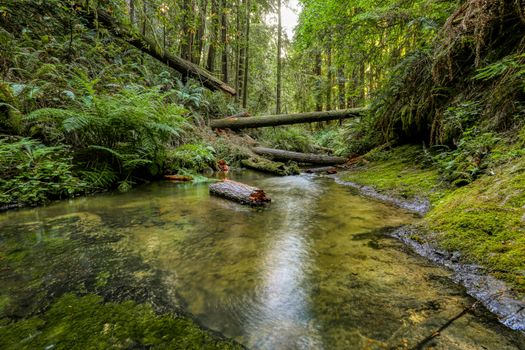 Photo: Mick Haupt / Pexels
 Photo: Shad Meeg / Pexels