

Mastering California Nonprofit Board Training
California nonprofit board training

Mastering California Nonprofit Board Training

A multicultural team brainstorming and collaborating during a business meeting.Photo: Christina Morillo / Pexels

Mastering California Nonprofit Board Training

Unlock the full potential of your nonprofit board with tailored training designed for California's unique legal and operational landscape.

Empower Your Board Now

Key Takeaways

  • ✓ California has over 120,000 active nonprofits.
  • ✓ Board members face increasing legal and fiduciary responsibilities.
  • ✓ Effective training can prevent compliance issues and boost organizational impact.
  • ✓ Ongoing education is crucial for navigating California's dynamic regulatory environment.

How It Works

1
Assess Your Board's Needs

Identify specific areas where your board requires enhancement, from legal compliance to strategic planning. A comprehensive assessment helps tailor the training to your organization's unique challenges.

2
Select a Training Provider

Choose a provider specializing in California nonprofit law and governance. Look for programs that offer both foundational knowledge and advanced topics relevant to your mission.

3
Implement Customized Training

Engage your board members in interactive sessions covering key topics like fiduciary duties, fundraising ethics, and risk management. Ensure the format accommodates diverse learning styles and schedules.

4
Integrate Learning & Evaluate

Apply the new knowledge directly to board operations and strategic initiatives. Regularly evaluate the training's effectiveness and plan for continuous professional development.

The Imperative of California Nonprofit Board Training for Effective Governance
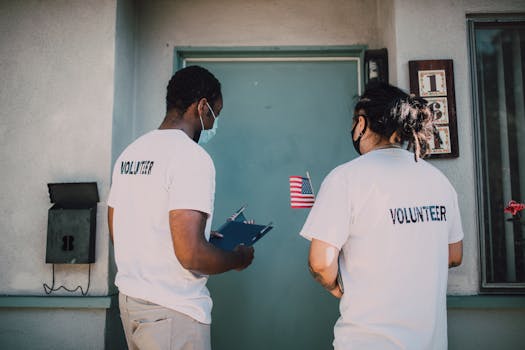
Two volunteers wear masks and visit community homes, engaging in outreach activities.Photo: RDNE Stock project / Pexels
In the vibrant and diverse landscape of California, nonprofit organizations play a crucial role in addressing societal needs, fostering community growth, and driving innovation. From groundbreaking environmental initiatives to essential social services, the impact of these organizations is profound. At the heart of every successful nonprofit lies a strong, well-informed, and engaged board of directors. Their collective wisdom, strategic oversight, and fiduciary responsibility are paramount to the organization's mission fulfillment and long-term sustainability. This is precisely where specialized California nonprofit board training becomes not just beneficial, but absolutely essential. California's regulatory environment for nonprofits is unique and often more stringent than in other states. The Attorney General’s Office actively oversees charitable organizations, and compliance with state-specific laws, such as the Supervision of Trustees and Fundraisers for Charitable Purposes Act, is non-negotiable. Beyond mere compliance, an effective board must also navigate complex issues like fundraising ethics, donor relations, financial stewardship, risk management, and strategic planning. Without targeted training, even the most well-intentioned board members can find themselves ill-equipped to handle these multifaceted responsibilities, potentially exposing the organization to legal risks, financial mismanagement, or a diminished ability to achieve its charitable objectives. Effective California nonprofit board training goes far beyond a simple orientation to the organization's mission. It provides a comprehensive framework that empowers board members with the knowledge, skills, and confidence to govern effectively. This includes a deep dive into legal duties (duty of care, duty of loyalty, duty of obedience), understanding IRS regulations for 501(c)(3) status, and mastering the nuances of California's Corporations Code. Furthermore, training often covers best practices in board operations, such as developing effective meeting agendas, fostering healthy board dynamics, recruiting and onboarding new members, and evaluating executive performance. It also emphasizes the board's role in resource development, ensuring the organization has the financial capacity to pursue its mission. Understanding nonprofit fundamentals is the bedrock upon which effective governance is built. This foundational knowledge, when paired with California-specific legal insights, creates a powerful synergy that transforms a group of individuals into a cohesive, high-performing governance body. The investment in robust board training is an investment in the nonprofit's future, safeguarding its assets, upholding its public trust, and ultimately, maximizing its positive impact on the communities it serves across California.

Key Pillars of Comprehensive California Nonprofit Board Training Programs

Three diverse volunteers sorting donation boxes filled with clothing and supplies indoors.Photo: Gustavo Fring / Pexels
A truly comprehensive California nonprofit board training program is multifaceted, designed to address the diverse needs and responsibilities of board members in the Golden State. It moves beyond generic governance principles to focus on the specific legal, ethical, and operational challenges unique to California's charitable sector. One of the primary pillars is an in-depth exploration of legal and fiduciary duties. This section typically covers the three core duties – duty of care, duty of loyalty, and duty of obedience – explaining what each entails in the context of California law. Board members learn about their personal liability, the importance of due diligence in decision-making, avoiding conflicts of interest, and ensuring the organization adheres strictly to its stated mission and bylaws. Practical examples and case studies relevant to California nonprofits often illustrate these concepts, making the learning tangible and directly applicable. Another critical component is financial oversight and accountability. Boards are ultimately responsible for the financial health and integrity of their organizations. Training in this area equips board members with the skills to understand financial statements (balance sheets, income statements, cash flow statements), interpret audit reports, develop and monitor budgets, and implement sound internal controls. Given the increasing scrutiny on nonprofit finances, especially in California, understanding IRS Form 990, donor restrictions, and endowment management becomes vital. This training empowers board members to ask the right questions, identify potential financial irregularities, and ensure that donor funds are utilized effectively and ethically, aligning with the organization's charitable purpose. Strategic planning and mission advancement form a third crucial pillar. A board's role extends beyond oversight; it is also responsible for guiding the organization's long-term vision and ensuring its mission remains relevant and impactful. Training in this area focuses on developing strategic plans, setting measurable goals, evaluating program effectiveness, and adapting to changing external environments. It also covers the board's role in fundraising – not just asking for donations, but actively participating in donor cultivation, relationship building, and championing the organization's cause. Effective training provides tools for board self-assessment and continuous improvement, encouraging boards to regularly review their own performance and composition to ensure they remain an asset to the organization. This holistic approach ensures that California nonprofit board training addresses both the defensive aspects of risk mitigation and the proactive elements of strategic leadership, fostering boards that are both compliant and highly effective in achieving their charitable goals.

Navigating California-Specific Regulations and Best Practices for Nonprofit Boards

Two volunteers wear masks and visit community homes, engaging in outreach activities.Photo: RDNE Stock project / Pexels
Operating a nonprofit in California presents a distinct set of regulatory and operational considerations that demand specialized knowledge from board members. Beyond federal IRS regulations, California has its own comprehensive framework that governs charitable organizations, requiring diligent adherence to avoid penalties and maintain public trust. A core focus of California nonprofit board training is the intricate web of state laws, including those enforced by the California Attorney General's Office. This includes understanding the registration and reporting requirements for charitable organizations, such as the annual RRF-1 form and the CT-TR-1 form for fundraising counsel and commercial fundraisers. Non-compliance can lead to significant fines, loss of tax-exempt status, and damage to reputation, making this a critical area of training. Furthermore, California law provides specific guidance on issues like public disclosure of financial documents, managing charitable solicitations, and rules pertaining to political activity for 501(c)(3) organizations. Board members need to be acutely aware of these nuances, especially when their organizations engage in advocacy or fundraising activities across the state. For instance, understanding the difference between lobbying and advocacy, and the limits imposed on each for public charities, is essential for maintaining tax-exempt status. Training also often delves into the specifics of operating in California's diverse employment law landscape, which, while primarily an operational concern, has significant implications for board oversight, particularly regarding executive compensation, whistleblower protections, and volunteer management policies. Ensuring robust HR policies and practices are in place and regularly reviewed falls under the board's duty of care. Beyond legal compliance, California nonprofit board training emphasizes best practices in board recruitment, diversity, equity, and inclusion (DEI). In a state as diverse as California, ensuring that boards reflect the communities they serve is not just an ethical imperative but also a strategic advantage. Training can guide boards in developing inclusive recruitment strategies, fostering a culture of belonging, and leveraging diverse perspectives for more effective decision-making. It also addresses evolving governance trends, such as the role of technology in board communication and record-keeping, cybersecurity risks, and ethical considerations in data privacy. Effective nonprofit management extends to every aspect of board function, ensuring that California nonprofits are not only legally sound but also strategically agile and culturally responsive. By focusing on these California-specific regulations and best practices, board training equips directors to confidently lead their organizations through the state's unique challenges and opportunities, ultimately strengthening the entire charitable sector.

Common Pitfalls and Best Practices in California Nonprofit Board Leadership

Diverse group of business professionals in a strategic meeting discussing documents and charts.Photo: Vlada Karpovich / Pexels
Even experienced board members can fall into common traps without proper and ongoing California nonprofit board training. Recognizing these pitfalls and understanding best practices is crucial for effective governance and mission success. One significant pitfall is the lack of clear role distinction between the board and staff. Boards are responsible for governance, strategy, and oversight, while staff manage day-to-day operations. When boards micromanage or staff try to dictate governance, efficiency plummets, and conflicts arise. Training emphasizes establishing clear lines of authority and communication, ensuring the board empowers the executive director while maintaining its oversight responsibilities. Another common mistake is insufficient financial literacy among board members. Many individuals join boards for their passion for the mission, but may lack experience in reading financial statements or understanding complex budgeting. This can lead to rubber-stamping financial decisions without critical review, potentially exposing the organization to fiscal mismanagement. Best practices dictate regular financial training sessions, simplified financial reports, and encouraging board members to ask probing questions about the organization's financial health and sustainability. Similarly, neglecting risk management is a dangerous oversight. California nonprofits face risks from cybersecurity threats to reputational damage. Boards must ensure robust policies are in place to identify, assess, and mitigate these risks proactively. Finally, a prevalent pitfall is the failure to engage in continuous board development and self-assessment. Boards can become stagnant, losing effectiveness if they don't regularly evaluate their performance, identify skill gaps, and seek ongoing education. Best practices include: * **Regular Board Self-Assessments:** Annually review board effectiveness, individual member contributions, and overall governance structure. * **Strategic Recruitment:** Actively seek board members with diverse skills, perspectives, and networks that align with the organization's strategic needs. * **Robust Onboarding:** Provide comprehensive orientation for new members, covering mission, financials, legal duties, and board culture. * **Ongoing Education:** Commit to annual training sessions on evolving legal requirements, fundraising trends, and governance best practices specific to California. * **Succession Planning:** Proactively identify and develop future board leaders to ensure smooth transitions and sustained leadership. * **Fostering a Culture of Inquiry:** Encourage healthy debate and critical thinking, ensuring decisions are well-vetted and aligned with the organization's mission and values. By proactively addressing these pitfalls through structured California nonprofit board training, organizations can build resilient, high-performing boards that are true assets to their cause.

Comparison

FeatureSpecialized CA TrainingGeneric Online CourseInternal Workshop
CA Legal Compliance✓ In-depth, current✗ Limited, generic✓ If expertise exists
Fiduciary Duties✓ CA-specific context✓ General principles✗ May lack legal depth
Strategic Planning✓ Tailored strategies✓ Broad concepts✓ Mission-specific
Risk Management✓ CA-relevant risks✗ General risks only✓ Organization-specific
Cost-EffectivenessModerate to HighLowLow (if expertise internal)
Expert Instruction✓ Legal/governance experts✗ Varies widely✗ Dependent on staff

What Our Readers Say

5 ★★★★★

"Our board underwent California nonprofit board training, and the clarity on state-specific legal obligations was invaluable. We now operate with much greater confidence and efficiency, especially regarding our annual filings."

5 ★★★★★

"The training transformed our board dynamics. We moved from simply approving reports to actively engaging in strategic discussions, all thanks to the practical guidance on governance best practices specific to California."

5 ★★★★★

"After our California nonprofit board training, we successfully restructured our finance committee and implemented new internal controls, directly preventing a potential compliance issue highlighted in the course. A phenomenal return on investment!"

4 ★★★★☆

"While the legal compliance aspects were incredibly thorough, I would have appreciated a bit more focus on advanced fundraising strategies for smaller nonprofits. Still, overall, it significantly strengthened our board's understanding of our duties."

5 ★★★★★

"As a new board member, the California nonprofit board training demystified my responsibilities. I now feel fully equipped to contribute meaningfully, especially regarding our organization's advocacy efforts within California's legal framework."

Frequently Asked Questions

What are the most critical legal duties for California nonprofit board members?
The most critical legal duties for California nonprofit board members are the duty of care, duty of loyalty, and duty of obedience. The duty of care requires acting in good faith and with the care an ordinarily prudent person would exercise. The duty of loyalty demands acting in the best interest of the organization, avoiding conflicts of interest. The duty of obedience mandates adhering to the organization's mission, bylaws, and all applicable laws.
Is California nonprofit board training legally required?
While specific, mandatory state-level training programs are not legally required for all California nonprofit board members, ongoing education is strongly recommended and often considered a best practice. Board members have a fiduciary duty to be informed, and training helps fulfill this by ensuring they understand complex state and federal regulations, thereby mitigating legal risks for the organization and themselves.
How often should a California nonprofit board receive training?
A California nonprofit board should ideally receive ongoing training annually or biennially, especially as new regulations emerge or board composition changes. At a minimum, new board members should undergo comprehensive onboarding training. Regular refreshers ensure the entire board stays current on legal requirements, governance best practices, and strategic imperatives, maintaining peak effectiveness.
What is the typical cost for California nonprofit board training?
The cost for California nonprofit board training varies widely depending on the provider, format (online vs. in-person), duration, and customization level. It can range from a few hundred dollars for a basic online course to several thousand for a customized, in-depth, multi-day workshop led by legal or governance experts. Investing in quality training is a strategic expenditure that protects the organization's assets and mission.
How does California nonprofit board training differ from general nonprofit board training?
California nonprofit board training significantly differs from general training by focusing on the unique legal and regulatory landscape of California. It covers state-specific laws such as those from the Attorney General's Office, unique reporting requirements, and California's employment and environmental regulations that impact nonprofits. General training offers broad principles, while CA-specific training provides actionable, localized insights essential for compliance and effective operations in the state.
Who should use California nonprofit board training?
California nonprofit board training is essential for all current and prospective board members of any charitable organization operating within the state. This includes executive directors, board chairs, committee members, and even long-serving directors who need to stay updated on evolving regulations and governance best practices. It's particularly vital for new board members to ensure a strong foundation.
Can effective board training help prevent legal issues for my California nonprofit?
Absolutely. Effective California nonprofit board training is a primary defense against legal issues. By educating board members on their fiduciary duties, state-specific compliance requirements, conflict of interest policies, and risk management best practices, training significantly reduces the likelihood of legal challenges, fines, or loss of tax-exempt status. It empowers the board to make informed decisions that protect the organization.
What are future trends in California nonprofit board governance and training?
Future trends in California nonprofit board governance and training include increased emphasis on diversity, equity, and inclusion (DEI), advanced cybersecurity and data privacy training, greater focus on environmental, social, and governance (ESG) factors, and leveraging technology for more efficient board operations. Boards will also see a continued need for training in complex fundraising ethics and impact measurement to meet evolving donor expectations and regulatory oversight.

Elevate your nonprofit's impact and ensure robust governance with specialized California nonprofit board training. Invest in your board's knowledge and leadership to safeguard your mission and thrive in California's dynamic charitable environment.

Topics: California nonprofit board trainingnonprofit governance CAboard development Californianonprofit compliance Californianonprofit leadership training
Leo List
Brampton weed
Adultwork